Get in touch
During our busy hours, we may not be able to answer your call immediately. We encourage you to leave a text message, or complete an online enquiry form including your name, contact number, and a brief description. We will call you back as soon as possible.
Family Support Counselling
Family counselling focuses on the family as a unit, helping members improve communication, resolve conflict, and strengthen relationships in a supportive and structured environment.
Family Support Counselling offers a safe, non-judgmental space where both parents and children can feel heard, supported, and guided toward healthier relationships and improved well-being. It is designed not only to address immediate challenges but also to build long-term resilience within the family.
Couples/Marriage Counselling
Couples and marriage counselling is a form of psychotherapy designed to help partners navigate relationship conflicts, heal emotional wounds, and improve communication. It provides a neutral, non-judgmental space for couples to address underlying issues—such as financial stress, intimacy struggles, or infidelity—and build healthier, more functional relationship patterns. Why Couples Seek Counselling Couples engage in counselling for a variety of reasons, ranging from routine maintenance to crisis intervention. Common issues addressed include: Communication Breakdowns: Learning to express needs without resulting in arguments or silent treatments. Conflict Resolution: Developing practical tools to manage disagreements over finances, parenting styles, or household labor. Rebuilding Trust: Navigating the aftermath of infidelity, lying, or emotional distance. Intimacy & Connection: Rekindling the "spark" or addressing physical and emotional intimacy issues
Pre and Post Trauma Counselling
Pre and post-trauma counselling consists of immediate crisis intervention followed by long-term therapy. Pre-trauma sessions build coping skills to manage anticipated stress, while post-trauma support helps individuals process distressing events, stabilize their nervous system, and prevent severe psychological conditions like PTSD. Understanding Trauma Counselling Trauma counselling provides a safe, non-judgmental space to validate emotions and understand how an event has impacted your life. It bridges the gap between simply surviving a distressing event and thriving afterward. Pre-Trauma Counselling: Focuses on preparation and resilience. It is highly beneficial when anticipating high-stress situations (such as high-risk medical procedures, legal testimonies, or dangerous working environments). Post-Trauma Counselling: Focuses on processing a distressing event after it occurs. This limits the long-term impacts of trauma, which can otherwise manifest as anxiety, depression, or PTSD
Employee Wellness Counselling
Employee Wellness Counselling, a structured and confidential support service designed to help employees manage both personal and work-related challenges that may impact their well-being and performance. Workplace counselling provides employees with access to qualified professionals who can support a wide range of concerns, including stress, burnout, anxiety, relationship challenges, and workplace conflict—helping individuals build healthier coping strategies and maintain overall well-being. Some of the key benefits of Employee Wellness Counselling include: Improved mental health, resilience, and emotional well-being Enhanced productivity, focus, and job performance Reduced absenteeism, burnout, and staff turnover Better communication and conflict resolution within teams Increased employee engagement and job satisfaction Incorporating counselling into a workplace wellness strategy also demonstrates a strong commitment to employee health, contributing to a more positive, supportive, and high-performing organisational culture.
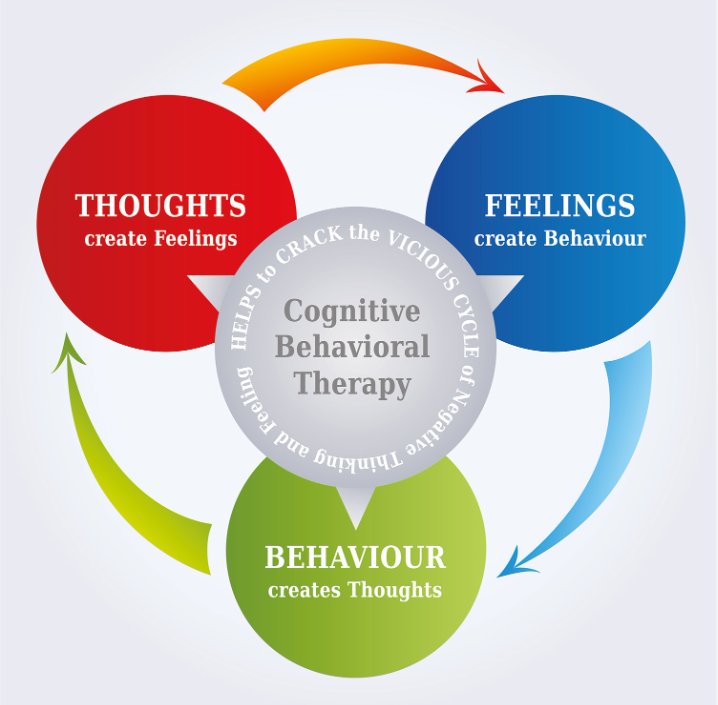
Cognitive Behavioural Therapy (CBT)
- Mental Health: Depression, anxiety disorders, OCD, PTSD, and addiction.
- Physical Conditions: Insomnia (CBT-I) and chronic pain.
- Emotional Issues: Stress management, grief, and relationship problems.
- Short-Term Duration: Unlike traditional psychoanalysis, CBT is typically brief, focusing on resolving acute problems and providing practical coping skills.
- Hands-On Exercises: You will work with a licensed therapist to recognize “cognitive distortions” (like catastrophizing or black-and-white thinking) and complete between-session assignments to practice new behaviors in everyday life.
- Empowering Results: The goal is to make you your own therapist, equipping you with lifelong skills to manage distress
Bereavement Counselling
Bereavement counselling is a specialized form of psychotherapy designed to help individuals process the physical, emotional, and cognitive responses to loss. It provides a safe, non-judgmental space to explore complex feelings, develop healthy coping strategies, and navigate the challenging journey toward healing
Telehealth services
Telehealth services allow you to consult with HPCSA-registered healthcare professionals remotely using a smartphone or computer. It is a convenient way to get medical advice, prescriptions, sick notes, and chronic care without visiting a clinic.


Mental Health Challenges
- Anxiety Disorders: The most common, characterized by excessive fear, panic attacks, or persistent worry (e.g., GAD, social phobia, PTSD).
- Mood Disorders: Including major depression and bipolar disorder, which drastically disrupt energy, sleep, and daily functioning.
- Other Conditions: Such as neurodevelopmental (ADHD), eating, and psychotic disorders (e.g., schizophrenia)